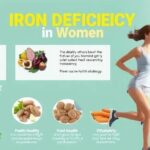
Iron is a crucial mineral that plays a vital role in oxygen transportation throughout our body. It is an essential component of hemoglobin, a protein that carries oxygen in our red blood cells. Without adequate iron, our body cannot produce enough healthy oxygen-carrying red blood cells, leading to fatigue and lowered immunity.
Beyond just energy levels, iron deficiency can impact our mental health. Low iron levels have been linked to symptoms such as fatigue, anxiety, and depression, affecting our cognitive functions and overall mental well-being. This makes maintaining an adequate iron intake crucial for both physical and mental health.
How Iron Affects Mental Health
Women 30+
The Calm Reset — 7 Days to Feel Steady, Kind & In Control Again - Only $2.99
Mental health is intricately linked with nutritional intake, and iron plays a significant role. Iron deficiency can lead to decreased levels of certain neurotransmitters that are responsible for mood regulation, resulting in increased levels of anxiety and depression.
Ensuring that your diet includes sufficient iron-rich foods supports mental health by promoting the production of serotonin and dopamine, which are crucial for mood stabilization and reducing symptoms of anxiety. Consulting with a healthcare professional to evaluate your iron levels can be an important step in managing mental health issues.
Iron-Rich Foods to Boost Energy
Incorporating iron-rich foods into your diet can help boost your energy levels naturally. Foods such as lean red meat, seafood, beans, and spinach are excellent sources of iron. Including these foods regularly in your meals can prevent iron deficiency and promote better energy levels and overall vitality.
In addition to these, fortified cereals, tofu, and pumpkin seeds are also great plant-based sources of iron. Pairing these foods with vitamin C-rich fruits such as oranges or bell peppers can enhance iron absorption, ensuring you get the most out of your diet.
Managing Anxiety Through Nutrition
Anxiety is a common mental health issue that can be influenced by dietary choices. Foods rich in iron and magnesium are known to reduce anxiety levels by promoting effective neurotransmitter function. The inclusion of iron-rich foods in your daily routine can, therefore, be a simple way to manage anxiety.
Moreover, maintaining a balanced diet rich in whole grains, vegetables, and fruits supports overall brain health and anxiety management. Combining these foods with regular exercise and mindfulness practices can contribute to improved emotional well-being and reduced anxiety symptoms.
Understanding Vitamin Deficiency
Vitamin deficiency can often fly under the radar but can have serious implications for health. Iron deficiency, in particular, leads to conditions such as anemia, characterized by extreme fatigue and weakness. It’s important to regularly monitor and address any potential deficiencies in consultation with healthcare providers.
Preventative measures include a balanced diet and supplementation if necessary. Choosing foods that are naturally rich in iron and other vitamins is ideal. The use of fortified foods can also help bridge the nutritional gap and prevent deficiencies.
The Historical Significance of Iron
Iron has been a significant mineral throughout human history, shaping societies and economies. Its discovery and use date back thousands of years, influencing everything from warfare to agriculture. Iron’s role in industrial development is unmatched, and similarly, its biological significance to human health is critical.
Understanding iron’s dual importance in industry and health can inspire a deeper appreciation for how minerals shape our world and wellness. As we continue to innovate nutritionally and medically, iron remains at the forefront of scientific and health discussions.
FAQ
What are the common symptoms of iron deficiency?
Common symptoms of iron deficiency include fatigue, weakness, pale skin, shortness of breath, dizziness, headaches, and dry, brittle nails. Severe cases can lead to anemia, which is marked by more pronounced symptoms.
How can I increase iron absorption from plant-based foods?
To increase iron absorption from plant-based foods, consume them with vitamin C-rich foods such as citrus fruits, tomatoes, or red peppers. This combination enhances the body’s ability to absorb non-heme iron found in plant foods.
Is iron supplementation necessary for everyone?
Iron supplementation is not necessary for everyone and depends on individual dietary intake and health conditions. It is typically recommended for those with diagnosed deficiencies or specific health conditions. Consulting a healthcare professional is advisable for personalized advice.
What role does iron play in mental health?
Iron is crucial for mental health as it supports the production of neurotransmitters like serotonin and dopamine, which are essential for mood regulation. Deficiency in iron can lead to symptoms of depression and anxiety.
Can iron deficiency affect my exercise performance?
Yes, iron deficiency can significantly impact exercise performance by reducing stamina and endurance. This is due to insufficient oxygen delivery to muscles, which is essential for optimal exercise function.