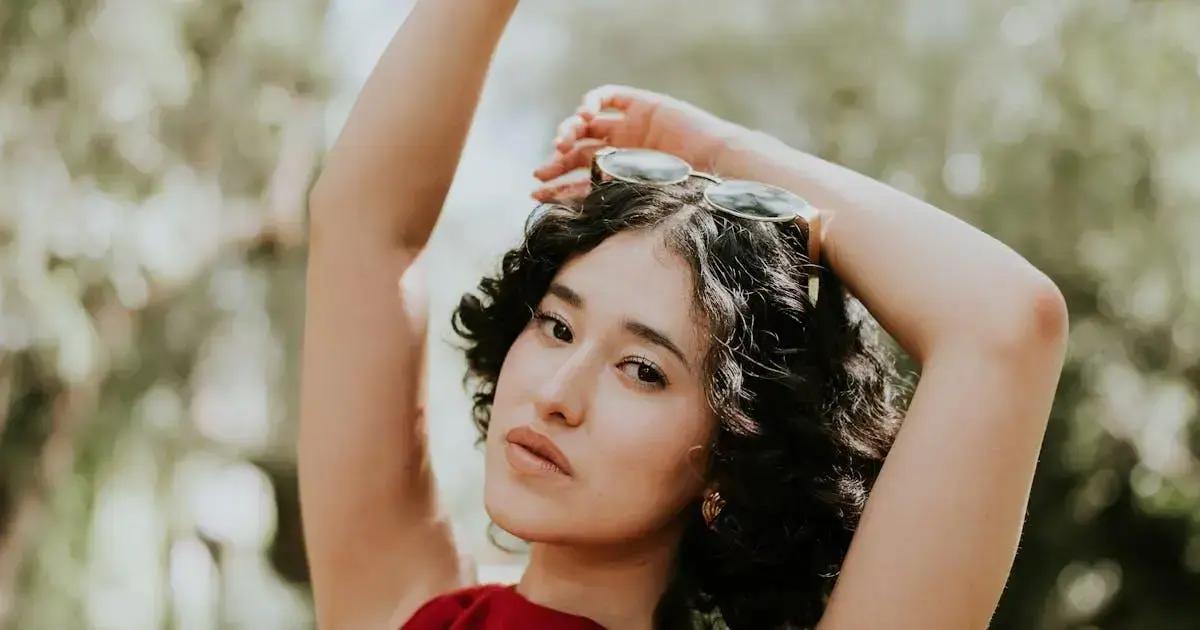
Hair loss and thinning during menopause result from decreased estrogen and progesterone levels that shorten hair growth cycles and shrink follicles, causing weaker and thinner hair, which can be managed through nutrition, gentle care, lifestyle changes, and professional treatment when necessary.
Have you noticed more strands on your brush lately? Hair loss and thinning during menopause can feel unsettling, but you’re not alone. Many women face this challenge and wonder what’s really going on beneath the surface.
The Calm Reset — 7 Days to Feel Steady, Kind & In Control Again - Only $2.99
Gentle guidance trusted by our community.
Table of Contents
understanding hair loss during menopause
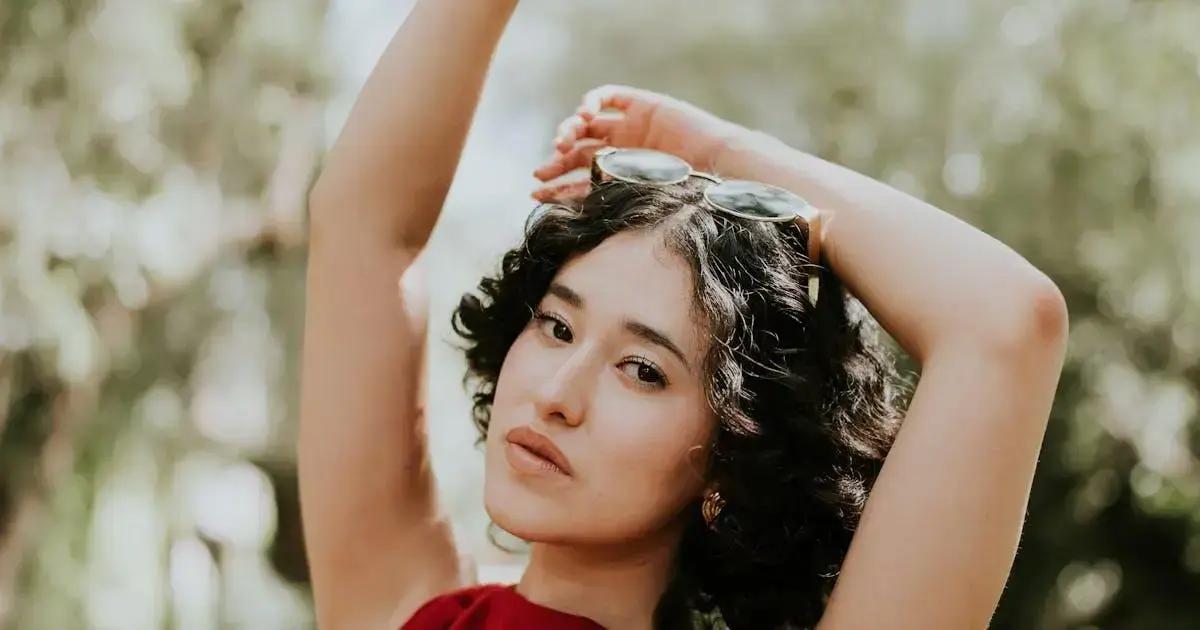
During menopause, many women experience noticeable changes in their hair, especially hair loss and thinning. These changes happen because the body’s production of hormones like estrogen and progesterone decreases. These hormones normally help keep hair in the growth phase for longer periods. Without them, more hair enters the shedding phase, causing noticeable thinning.
What Happens to Hair During Menopause?
Hair follicles become smaller and produce thinner, shorter strands which results in less volume. This process is called miniaturization. It can affect the scalp unevenly but most often appears at the crown and along the part line.
Emotional Impact of Hair Loss
Experiencing hair loss can be upsetting. It affects self-esteem and confidence because hair is often tied to how women see their youth and beauty. Knowing why it happens can help reduce anxiety and promote better coping strategies.
Other Factors That Can Make Hair Loss Worse
In addition to hormonal changes, factors such as stress, poor diet, and certain medications can worsen hair thinning. Health issues like thyroid problems or iron deficiency also play a role and should be considered when addressing hair loss.
Understanding these changes is the first step in managing hair loss during menopause. It opens the door to choosing the right treatments and lifestyle adjustments to support healthier hair growth.
common causes of thinning hair in menopause
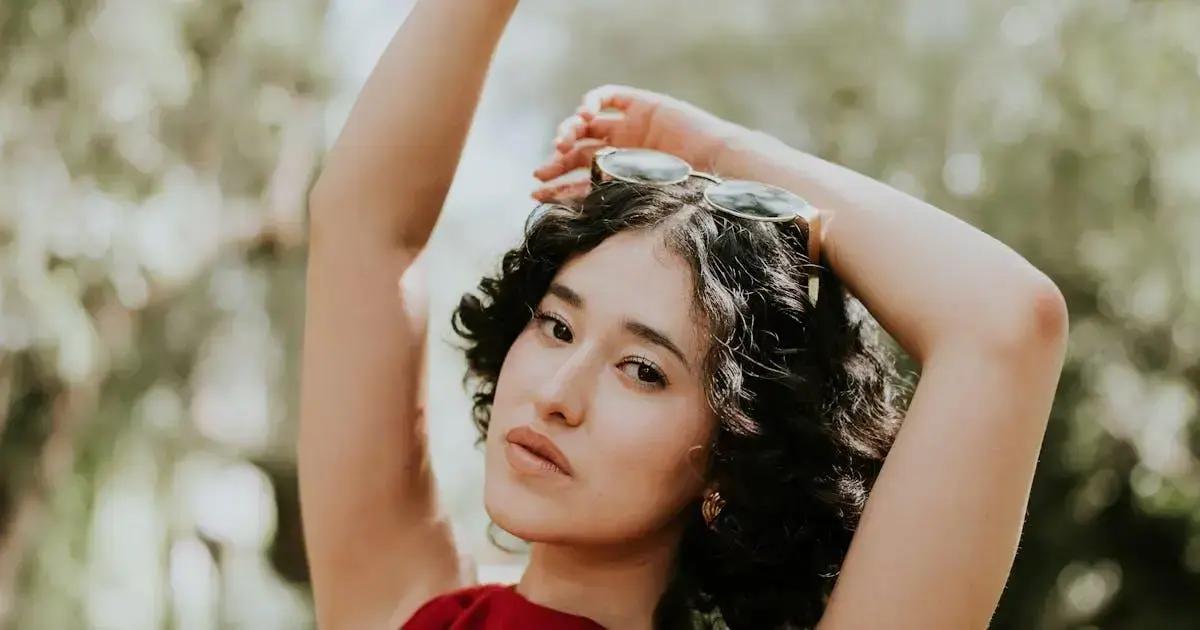
Thinning hair during menopause can result from various common causes that often overlap. One primary factor is the natural decline in estrogen and progesterone, hormones that help keep hair strong and in the growth phase. When these hormones drop, hair follicles shrink, leading to thinner and weaker hair.
Genetics
Some women have a genetic predisposition to hair thinning, which may become more apparent during menopause. This type of hair loss is called androgenic alopecia and can cause a gradual reduction in hair density.
Stress and Lifestyle
Menopause can bring emotional ups and downs, and increased stress levels may trigger telogen effluvium, a condition where hair prematurely enters the resting phase and falls out. Poor sleep, unhealthy diet, and lack of exercise also contribute to weaker hair health.
Medical Conditions and Medications
Conditions like thyroid imbalances, anemia, or autoimmune diseases can worsen hair thinning. Additionally, some medications prescribed during midlife, including those for blood pressure or depression, may have side effects that include hair loss.
Recognizing these common causes helps in tailoring effective treatment plans and lifestyle changes that support healthier hair during menopause.
how hormones influence hair health
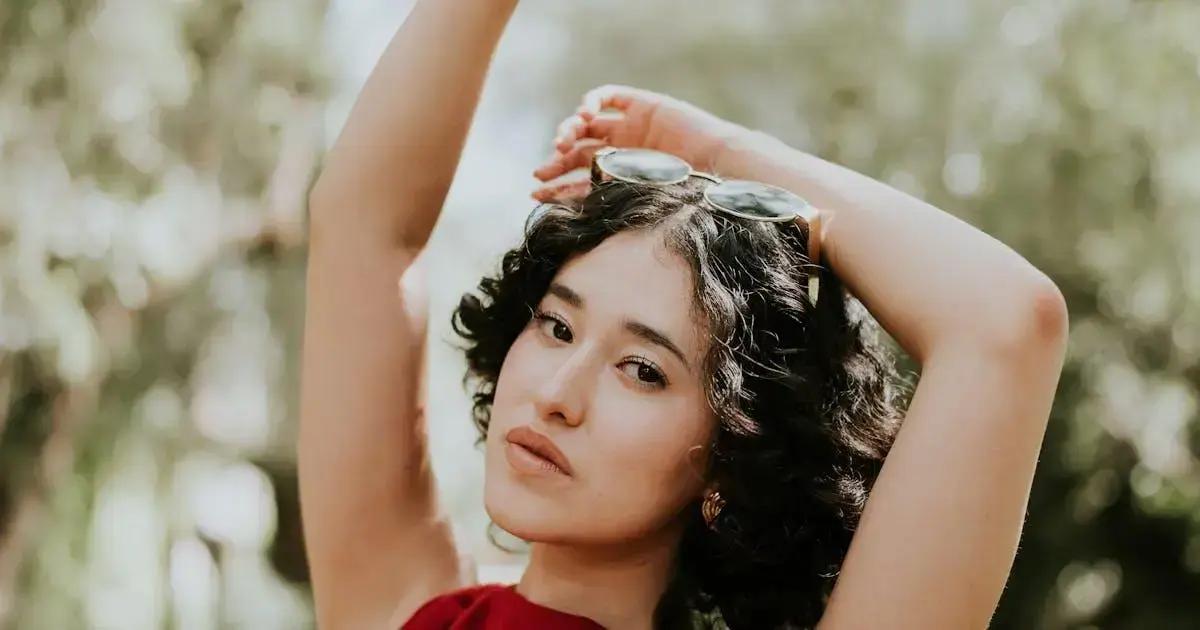
Hormones play a crucial role in maintaining hair health, especially during menopause when significant hormonal shifts occur. Estrogen and progesterone help keep hair in the growth phase longer, promoting fullness and strength. As these hormone levels decline, hair often becomes thinner and more fragile.
The Role of Estrogen
Estrogen supports hair growth by extending the anagen phase, which is when hair actively grows. Lower estrogen during menopause means more hair follicles enter the resting phase, leading to increased shedding and thinning.
Impact of Androgens
At the same time, levels of androgens (male hormones) like testosterone can become more dominant. These androgens can shrink hair follicles and shorten the hair growth cycle, a process called miniaturization, causing thinner hair strands.
Progesterone and Hair
Progesterone also helps balance the effects of androgens. Reduced progesterone during menopause means less opposition to androgen activity, which may worsen hair thinning.
Understanding these hormonal influences is important when considering treatments and lifestyle changes to protect and improve hair health during menopause.
natural treatments and lifestyle changes
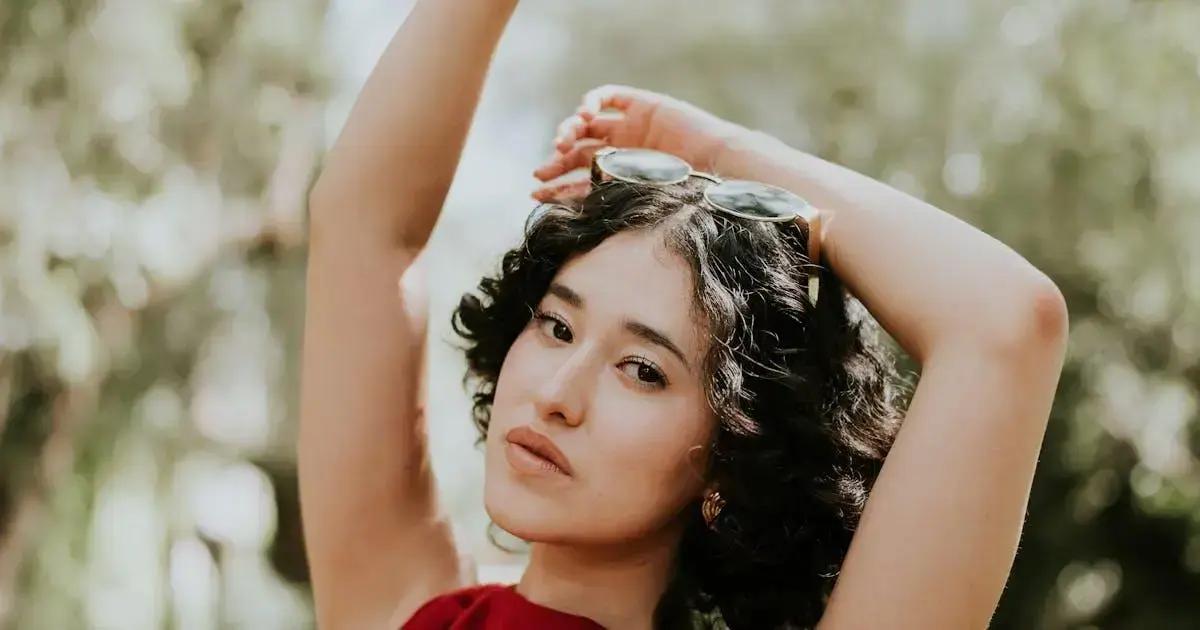
Natural treatments and lifestyle changes can make a significant difference in managing hair loss and thinning during menopause. Focusing on balanced nutrition, gentle hair care, and stress reduction helps create the right environment for hair to grow stronger.
Nutrition and Supplements
A diet rich in vitamins like biotin, vitamin D, and iron supports healthy hair follicles. Foods such as leafy greens, nuts, and fatty fish provide essential nutrients. Some women benefit from supplements like collagen or omega-3 fatty acids to boost hair vitality.
Gentle Hair Care Practices
Avoid harsh treatments like frequent heat styling, chemical straighteners, or tight hairstyles that tug on hair. Using mild shampoos and conditioners designed for thinning hair helps maintain scalp health. Regular scalp massages can improve blood flow and stimulate hair follicles.
Stress Management
Stress triggers hormone imbalances that worsen hair loss. Practices such as yoga, meditation, or deep breathing exercises promote relaxation and hormone balance. Prioritizing good sleep and regular physical activity also supports overall well-being and healthier hair.
Incorporating these natural and lifestyle strategies offers a gentle, effective path to support hair health during the hormonal changes of menopause.
when to seek professional help
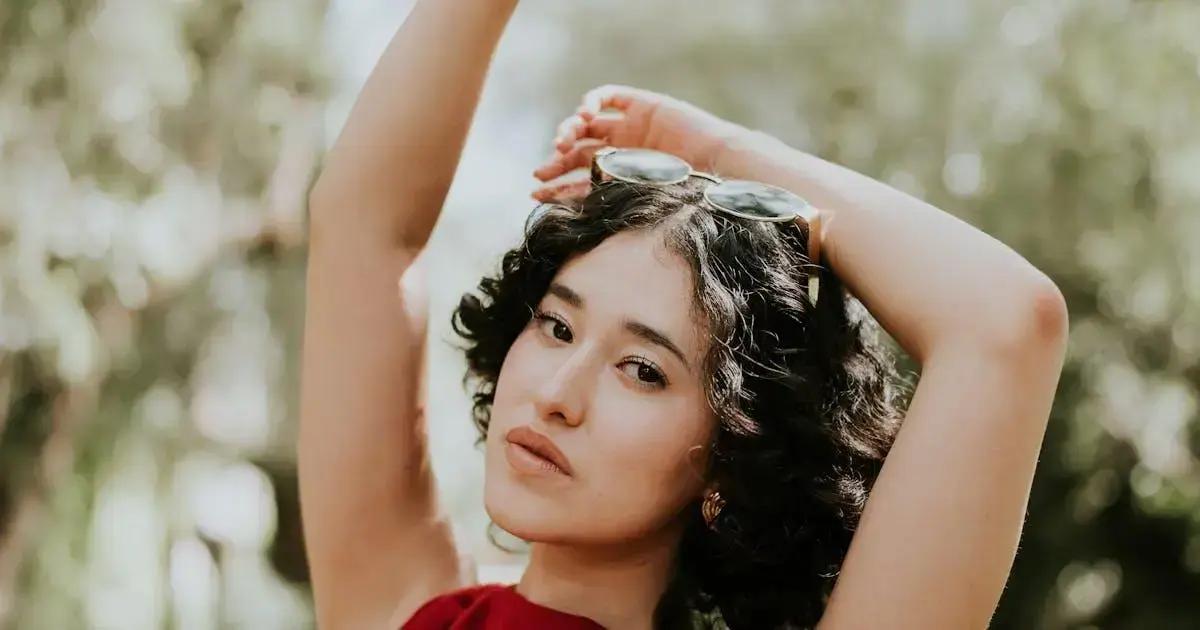
If you notice significant or sudden hair loss during menopause, it may be time to seek professional help. While some hair thinning is normal, excessive shedding can indicate underlying health issues that require attention.
Signs You Should Consult a Specialist
Rapid hair loss over a short period, bald patches, scalp irritation, or itching are all signals to see a dermatologist or trichologist. Persistent hair thinning that affects your confidence and daily life also warrants professional advice.
Medical Tests and Diagnosis
Professionals may perform blood tests to check hormone levels, thyroid function, iron deficiency, or autoimmune conditions. A scalp biopsy or hair pull test can help determine the cause and severity of hair loss.
Treatment Options Offered
A doctor might suggest topical treatments like minoxidil, hormone therapy, or prescription medications based on your diagnosis. They can also recommend lifestyle changes, supplements, or refer you to nutritionists for a holistic approach.
Early intervention improves the chances of slowing hair loss and promoting regrowth, so don’t hesitate to get expert help when needed.
daily habits to support hair growth
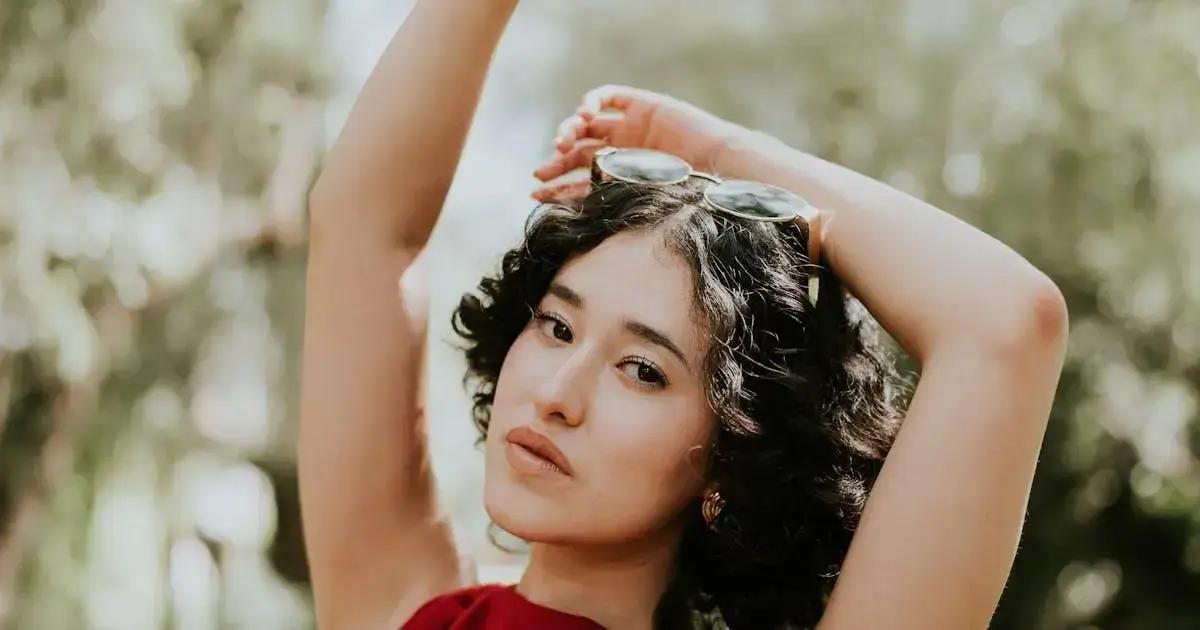
Supporting hair growth during menopause involves adopting daily habits that nourish your scalp and strengthen your hair. Small changes in your routine can lead to noticeable improvements over time.
Healthy Diet Choices
Eating a balanced diet rich in proteins, vitamins, and minerals is essential. Foods containing biotin, zinc, iron, and vitamins A and C promote hair health and prevent breakage. Hydration also plays a key role in keeping hair and scalp conditioned.
Gentle Hair Care Routine
Use sulfate-free shampoos and conditioners, and avoid excessive heat styling. Brushing hair gently with a wide-tooth comb can reduce breakage. Regular scalp massages encourage blood flow, stimulating hair follicles.
Manage Stress and Sleep Well
Stress impacts hormone levels and can worsen hair loss. Practices like meditation or light exercise help reduce stress. Aim for 7 to 8 hours of sleep nightly to support overall body and hair health.
Avoid Harmful Habits
Limiting smoking and reducing alcohol intake can prevent further hair damage. Protect your hair from harsh sun exposure by wearing hats or using UV-protectant products.
Incorporating these daily habits consistently can help you maintain healthier, fuller hair during menopause and beyond.
Taking control of hair health during menopause
Hair loss and thinning during menopause can feel challenging, but understanding the causes and options helps you take control. Simple changes in diet, hair care, and daily habits make a real difference.
If hair loss becomes severe, seeking professional advice ensures you find the right treatments for your needs. Remember, patience and care are key as your body adjusts.
With proper support and lifestyle adjustments, it’s possible to maintain healthier hair and boost your confidence through this natural phase of life.
FAQ – Hair loss and thinning during menopause
Is hair loss during menopause normal?
Yes, hair loss and thinning are common during menopause due to hormonal changes affecting hair growth cycles.
What causes hair to thin during menopause?
Thinning hair is mainly caused by decreased estrogen and progesterone levels, which affect hair follicle health and growth.
Can diet help improve hair health during menopause?
Absolutely. Eating foods rich in vitamins and minerals like biotin, iron, and omega-3 fatty acids supports healthier hair.
When should I see a doctor about hair loss?
If hair loss is sudden, severe, or accompanied by scalp irritation, it is important to consult a healthcare professional for diagnosis and treatment.
Are there natural treatments for menopausal hair thinning?
Yes, lifestyle changes like stress management, gentle hair care, and proper nutrition can help reduce hair thinning naturally.
Can hormone therapy improve hair loss during menopause?
Hormone therapy might help some women, but it should only be considered after consulting with a healthcare provider due to possible risks and side effects.
Related Posts:





The Calm Reset — 7 Days to Feel Steady, Kind & In Control Again - Only $2.99
Gentle guidance trusted by our community.