
Understanding Omega-3 Fatty Acids
Omega-3 fatty acids are essential fats, meaning that your body can’t produce them on its own. They play a crucial role in brain function, as well as normal growth and development. Omega-3s have become increasingly popular as people seek to improve their health through diet and supplementation.
The three most important types of omega-3s are ALA (alpha-linolenic acid), EPA (eicosapentaenoic acid), and DHA (docosahexaenoic acid). ALA comes from plants, while DHA and EPA are found in algae and fatty fish. It is recommended to include a combination of these in a balanced diet to reap the full range of health benefits.
Benefits of Omega-3 for Your Health
The Calm Reset — 7 Days to Feel Steady, Kind & In Control Again - Only $2.99
Gentle guidance trusted by our community.
Omega-3 fatty acids are known to offer numerous health benefits. They have been shown to reduce inflammation, which can contribute to a variety of chronic illnesses, including heart disease and arthritis. Additionally, Omega-3s can help improve mental health and alleviate symptoms of depression and anxiety.
These fatty acids are also essential for brain health and development. Research suggests that regular consumption of Omega-3 can enhance cognitive function, focus, and memory. Pregnant women are encouraged to ensure they get enough Omega-3s to support fetal brain development.
Sources of Omega-3 Fatty Acids
Omega-3s can be obtained from both food and supplements. Fatty fish such as salmon, mackerel, and sardines are excellent sources of DHA and EPA. For those following a vegetarian or vegan diet, plant-based sources like flaxseeds, chia seeds, and walnuts offer a good amount of ALA.
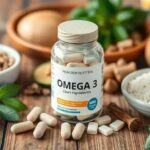
Fish oil is a popular supplement that provides concentrated doses of Omega-3s. Algal oil is an alternative for those who prefer plant-based supplements. It’s important to choose high-quality supplements that are free from mercury and other contaminants.
Incorporating Omega-3 into Your Daily Routine
Incorporating Omega-3 into your diet can be relatively simple. Start by consuming at least two servings of fatty fish per week, which covers your needs for DHA and EPA. Alternatively, consider adding ground flaxseeds or chia seeds to your smoothies or salads.
Supplements can be a convenient way to ensure you’re getting enough Omega-3s, especially if your diet is lacking in these healthy fats. Always consult with a healthcare provider before starting any new supplement regimen to ensure it’s appropriate for your individual health needs.
Potential Side Effects and Considerations
While Omega-3 supplements are generally safe for most people, it’s important to be aware of potential side effects. High doses of Omega-3s can thin your blood, which might increase bleeding risk. Always follow dosage recommendations and speak with a doctor, particularly if you are on blood thinners.
It’s also important to choose the right supplement to avoid exposure to heavy metals like mercury, which can be found in certain fish oils. Look for supplements that have been tested for purity and contaminants to ensure safety.
FAQ
What are Omega-3 fatty acids?
Omega-3 fatty acids are essential fats that offer a multitude of health benefits. They include ALA, EPA, and DHA which are vital for maintaining heart health, brain function, and reducing inflammation in the body. These fatty acids are not naturally produced by the body, hence they must be obtained through diet or supplements.
How do Omega-3 fatty acids benefit mental health?
Omega-3s are essential for brain health and have been shown to improve mood and emotional well-being. Studies suggest that they can reduce symptoms of depression and anxiety, possibly by improving communication within brain cells and reducing inflammation, which is linked to mood disorders.
Are plant sources of Omega-3s as effective as fish sources?
Plant sources of Omega-3, like flaxseed and chia seeds, provide ALA, which can be converted to DHA and EPA in the body, but at a very low rate. While plant sources are beneficial, consuming fish or fish oil provides these critical Omega-3s more directly and effectively, enhancing overall health benefits.
What should I consider when choosing an Omega-3 supplement?
When selecting an Omega-3 supplement, consider the ratio of EPA to DHA, the source of the omega-3s, and the purity of the product. Supplements should be free of heavy metals and contaminants. Algal oil is a great plant-based option, and for a traditional choice, high-quality fish oil is ideal.
Can Omega-3 supplements interact with medications?
Yes, Omega-3 supplements can interact with medications, particularly blood thinners, due to their natural ability to thin the blood. It’s crucial to discuss with a healthcare professional before starting supplements if you are already on medication, to avoid adverse effects and interactions.
Watch the Video:
Related Posts:





The Calm Reset — 7 Days to Feel Steady, Kind & In Control Again - Only $2.99
Gentle guidance trusted by our community.