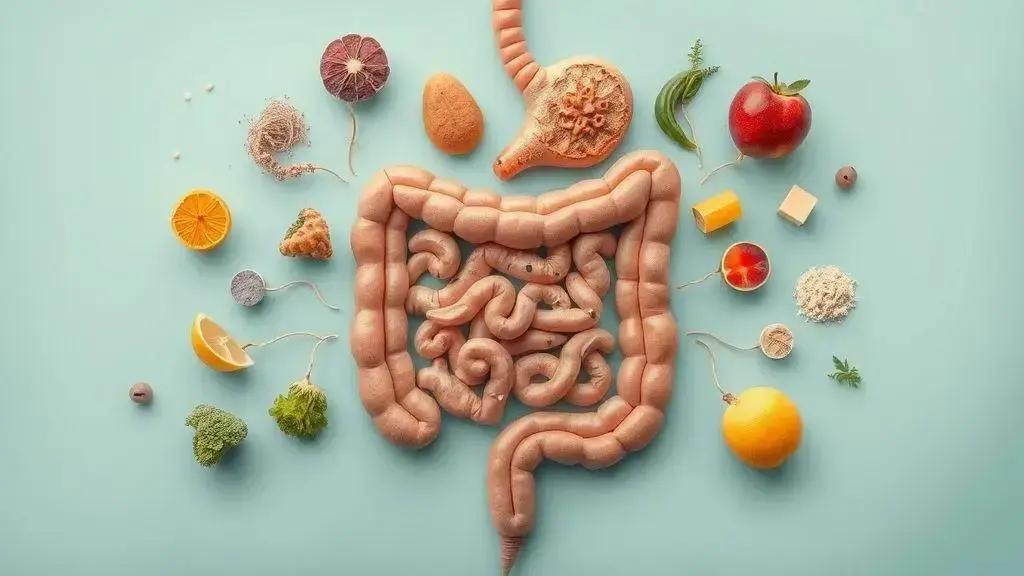
Gut health significantly influences overall well-being by affecting digestion, energy levels, and mental health; incorporating a balanced diet, probiotics, and hydration are essential for maintaining a healthy gut microbiome.
When we talk about health, the importance of gut health often gets overlooked. Have you ever wondered how it affects your daily life?
Understanding gut health is essential for overall well-being. The gut is often referred to as the “second brain” due to its vast network of neurons and its significant role in health. It is home to a complex community of microorganisms known as the gut microbiota, which can influence everything from digestion to immunity.
The role of gut microbiota
The gut microbiota consists of trillions of bacteria, fungi, and viruses that help digest food and absorb nutrients. A balanced microbiota is crucial for optimal gut health. When this balance is disrupted, it can lead to various health issues, including digestive disorders, allergies, and autoimmune diseases.
Impact on physical health
Gut health is intricately linked to physical health. Studies have shown that a healthy gut can improve the body’s ability to fight infections, manage weight, and reduce inflammation. Moreover, it plays a vital role in metabolic health, influencing conditions such as diabetes and obesity.
Connection to mental well-being
Interestingly, gut health also affects mental well-being. There is a strong connection between the gut and the brain, often referred to as the gut-brain axis. Research suggests that gut health can influence mood, anxiety, and even mental clarity. A healthy gut might help reduce the risk of depression and anxiety disorders.
Thus, taking steps to ensure good gut health can lead to both improved physical and mental health. Incorporating foods rich in fiber, probiotics, and prebiotics can support the microbiome and promote overall health.
How gut health affects energy levels
Gut health greatly influences energy levels. When the gut microbiota is balanced, it aids digestion and nutrient absorption, which are crucial for energy production. However, an imbalanced gut can lead to poor nutrient assimilation, making you feel fatigued.
The digestive process
During digestion, food is broken down into nutrients, which are then absorbed into the bloodstream. These nutrients, such as carbohydrates, proteins, and fats, are pivotal for creating energy. If your gut is unhealthy, this process can be hindered, resulting in a lack of energy.
Impact of inflammation
Inflammation in the gut can disrupt energy levels by affecting how nutrients are absorbed. Chronic inflammation may lead to conditions such as irritable bowel syndrome (IBS) and contribute to fatigue. Reducing systemic inflammation can enhance your overall energy and vitality.
Role of gut-brain connection
The gut-brain axis plays a significant role in how energy is perceived and managed. Hormones released by the gut can influence mood and energy levels. A healthy gut contributes to better hormone balance, which can enhance your alertness and focus.
Supporting gut health for energy
To support gut health and boost energy, consider a diet rich in fiber, probiotics, and prebiotics. Foods like yogurt, fermented vegetables, and whole grains can help maintain a healthy gut microbiome, ultimately leading to improved energy levels.
Tools for improving gut health
Improving gut health can lead to numerous benefits, from increased energy levels to better digestion. Here are some effective tools that can help enhance your gut health.
Probiotics
Probiotics are live bacteria that can benefit your gut when consumed. They help restore the natural balance of gut bacteria. Foods rich in probiotics include yogurt, kefir, sauerkraut, and kimchi. These foods can support digestion and boost the immune system.
Prebiotics
Prebiotics are types of fiber that feed the beneficial bacteria in your gut. They help promote the growth of good gut bacteria. Foods such as garlic, onions, bananas, and asparagus are excellent sources of prebiotics. Including these in your diet can improve gut flora and overall health.
Hydration
Staying hydrated is crucial for digestion and gut health. Drinking enough water supports digestion and helps prevent constipation. Aim for at least 8 glasses of water a day to keep your digestive system functioning smoothly.
Balanced diet
A balanced diet that includes plenty of fruits, vegetables, whole grains, and lean proteins is essential for good gut health. Avoid excessive intake of processed foods, sugars, and unhealthy fats. Focusing on whole foods can promote a healthy microbiome.
Regular exercise
Physical activity is beneficial for gut health. Regular exercise helps regulate the digestive system and can increase the diversity of gut bacteria. Aim for at least 30 minutes of moderate exercise most days of the week.
The role of nutrition and probiotics
Nutrition plays a critical role in supporting gut health. A balanced diet rich in essential nutrients can promote the growth of beneficial gut bacteria, while poor nutrition can lead to imbalances that affect overall health.
Importance of a balanced diet
A balanced diet includes a variety of foods, such as fruits, vegetables, whole grains, and lean proteins. These foods provide the vitamins and minerals necessary for the body to function properly. Eating a wide range of foods can help maintain a healthy gut microbiome.
Benefits of probiotics
Probiotics are live microorganisms that provide health benefits when consumed in adequate amounts. They help restore the gut’s natural balance by increasing the number of good bacteria. Fermented foods like yogurt, kefir, kombucha, and sauerkraut are excellent sources of probiotics.
How probiotics impact digestion
Probiotics can enhance digestion by aiding the breakdown of food and promoting nutrient absorption. They may also help alleviate digestive issues such as bloating, gas, and diarrhea. Including probiotics in your diet can lead to improved digestion and overall gut health.
Nutrition strategies for gut health
To improve gut health through nutrition, focus on incorporating more fiber-rich foods, such as fruits, vegetables, and legumes. Fiber acts as food for the good bacteria in the gut, helping them thrive. Additionally, consider supplementing with probiotics if necessary, but consult a healthcare professional first.
In summary, the path to better gut health
Improving your gut health is essential for overall well-being. By focusing on nutrition, including probiotics in your diet, and making healthy lifestyle choices, you can significantly enhance your gut health.
It’s not just about avoiding harmful foods; it’s also about embracing those rich in nutrients that support the growth of beneficial bacteria. Small changes, such as adding more fiber and probiotics to your meals, can lead to big improvements in your energy levels and digestion.
Remember, a healthy gut contributes to better health, both physically and mentally, and taking care of it should be a priority for everyone.
FAQ – Frequently Asked Questions about Gut Health
How does diet impact gut health?
Diet significantly affects gut health by providing essential nutrients that support beneficial bacteria. A balanced diet rich in fruits, vegetables, and fiber promotes a healthy microbiome.
What are probiotics and why are they important?
Probiotics are live microorganisms found in certain foods that provide health benefits when consumed. They help restore balance in the gut microbiota, improving digestion and overall health.
How can I incorporate more fiber into my diet?
You can increase fiber intake by eating more fruits, vegetables, whole grains, and legumes. These foods not only support gut health but also improve digestion.
What are the signs of an unhealthy gut?
Common signs of an unhealthy gut include digestive issues like bloating, gas, diarrhea, and constipation, as well as fatigue, food intolerances, and skin problems.
Why is hydration important for gut health?
Staying hydrated aids digestion and helps prevent constipation. It ensures that your digestive system functions properly, allowing for the smooth absorption of nutrients.
Can exercise improve gut health?
Yes, regular exercise promotes better digestion and can enhance the diversity of gut bacteria, contributing to overall gut health.