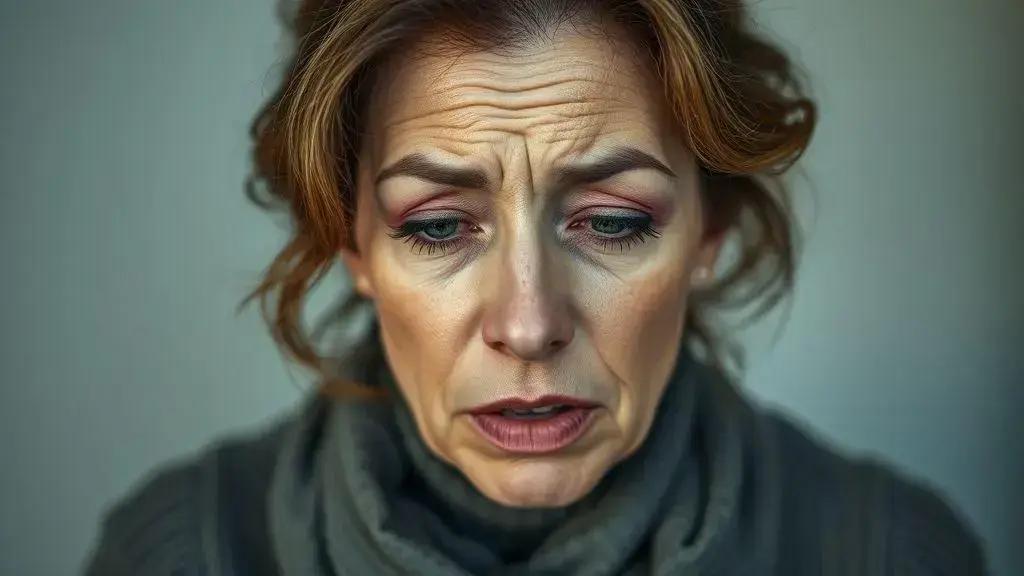
Anxiety in women over 30 is influenced by biological and social factors, and can be managed through effective coping mechanisms, a strong support system, and regular self-care practices.
Anxiety takes on a unique form as women enter their 30s, often shaped by numerous life pressures. Let’s explore how this can manifest in your daily life.
Understanding anxiety in women over 30 requires recognizing how various life transitions can influence emotional health. As women age, they may face challenges such as career pressures, family dynamics, and shifts in personal identity, all of which can contribute to increased anxiety.
These experiences are often compounded by societal expectations, making it crucial to understand why anxiety manifests differently for women in this age group. Factors such as hormonal changes, health concerns, and balancing multiple responsibilities can deeply impact mental well-being.
Signs and Symptoms
Common signs of anxiety include excessive worry, irritability, and physical symptoms like heart palpitations. Women might also experience fatigue and sleep disturbances. Recognizing these symptoms early can lead to better management and treatment options.
Factors Contributing to Anxiety
Several factors influence anxiety, including family history, stressful life events, and personal relationships. Understanding these triggers helps women identify when their anxiety may be heightened.
The Role of Support Systems
Having a strong support system can significantly alleviate anxiety. Friends, family, and mental health professionals play vital roles in providing emotional support. Women should feel empowered to reach out for help when needed.
Biological and social factors influencing anxiety
Understanding the biological and social factors influencing anxiety is critical for women over 30. Numerous elements, both internal and external, can contribute to anxiety levels.
Biological Factors
Women may deal with hormonal fluctuations that occur throughout their lives, especially during menstruation, pregnancy, and menopause. These changes can significantly affect mood and anxiety levels. Additionally, genetics can play a role; if family members have experienced anxiety disorders, the likelihood of similar issues may increase.
Social Factors
Social influences, such as work-related stress and family responsibilities, are also key contributors. Many women in this age group juggle multiple roles, including career, parenting, and caregiving. This balancing act can lead to feelings of overwhelm and increase anxiety.
Cultural Expectations
Cultural factors may further complicate these issues. Society often places pressure on women to meet certain standards, from career achievements to personal appearances. This constant pressure can lead to a heightened state of anxiety and self-doubt.
Support Networks
Having a solid support network can mitigate some of these biological and social factors. Friends, family, and mental health professionals can provide essential understanding and practical advice. Reaching out can be a crucial step in managing anxiety effectively.
Effective coping mechanisms for emotional resilience
Building emotional resilience is essential for managing anxiety effectively. Adopting effective coping mechanisms can help women over 30 navigate their daily challenges with greater ease.
Mindfulness and Meditation
Practicing mindfulness and meditation can significantly reduce anxiety. These techniques encourage individuals to focus on the present moment, fostering a sense of calm. Even just a few minutes of mindful breathing can create a positive shift in mood.
Physical Activity
Regular physical activity is another vital coping mechanism. Engaging in exercises such as walking, yoga, or dancing can boost endorphins, the body’s natural mood elevators. Aim for at least 30 minutes of activity most days to improve mental health.
Healthy Sleep Habits
Establishing healthy sleep routines is crucial for emotional resilience. Aim for 7-9 hours of quality sleep each night. Create a calming bedtime routine and limit screen time before bed to enhance sleep quality.
Connecting with Others
Social support plays an essential role in coping with anxiety. Reach out to friends or join support groups to share experiences and feelings. Connecting with others can provide comfort and different perspectives on issues faced.
Seeking Professional Help
If anxiety becomes overwhelming, consider seeking help from a mental health professional. Therapy can provide personalized strategies and a safe space to explore emotions. Remember, asking for help is a sign of strength.
Building a support system and self-care practices
Building a support system and incorporating self-care practices are vital for managing anxiety. Women over 30 often benefit from strong networks and self-care routines that empower their mental health.
Identifying Your Support System
Start by identifying people who can provide support. This may include family members, friends, or colleagues who understand your struggles. It’s important to surround yourself with those who uplift and encourage you.
Join Support Groups
Consider joining support groups where you can share experiences with others facing similar challenges. This connection can be incredibly validating and may provide you with new coping strategies.
Communicate Openly
Open communication with your support network is essential. Don’t hesitate to discuss your feelings and needs. Sharing your thoughts can help reduce feelings of isolation and anxiety.
Incorporate Self-Care Practices
Self-care is crucial for emotional well-being. Engage in activities that you enjoy, such as reading, journaling, or spending time in nature. Make self-care a regular part of your routine to recharge your mind and body.
Set Boundaries
Learn to say no and set boundaries to protect your time and energy. This is vital in preventing burnout and maintaining your mental health.
Seek Professional Help When Needed
If you find it challenging to manage anxiety independently, consider seeking help from mental health professionals. Therapy can provide additional support and coping mechanisms tailored to your needs.
In Conclusion: Managing Anxiety for Women Over 30
Understanding and managing anxiety is crucial for women over 30. By recognizing biological and social factors influencing their mental health, women can develop effective coping strategies. Building a strong support system and practicing self-care are key to emotional resilience.
Engaging in mindfulness, physical activity, and open communication with friends and family can enhance well-being. Remember, seeking professional help is also a wise step when needed.
By taking these steps, women can navigate anxiety and lead fulfilling lives, empowered by a supportive community and effective practices.
FAQ – Frequently Asked Questions about Managing Anxiety for Women Over 30
What are common signs of anxiety in women over 30?
Common signs include excessive worry, irritability, fatigue, sleep disturbances, and physical symptoms like heart palpitations.
How can mindfulness help in managing anxiety?
Mindfulness encourages focusing on the present moment, helping to reduce stress and create a sense of calm.
What role does physical activity play in coping with anxiety?
Regular physical activity boosts endorphins, improves mood, and helps decrease feelings of anxiety.
How can I build a support system for better mental health?
Reach out to friends, family, and consider joining support groups to share experiences and gain encouragement.
When should I seek professional help for anxiety?
If anxiety becomes overwhelming and affects daily life, seeking help from a mental health professional is a smart choice.
What are effective self-care practices to manage anxiety?
Engaging in hobbies, practicing relaxation techniques, and establishing healthy sleep habits are effective self-care practices.